Blue Mandala: A Designer's Review for Real Projects
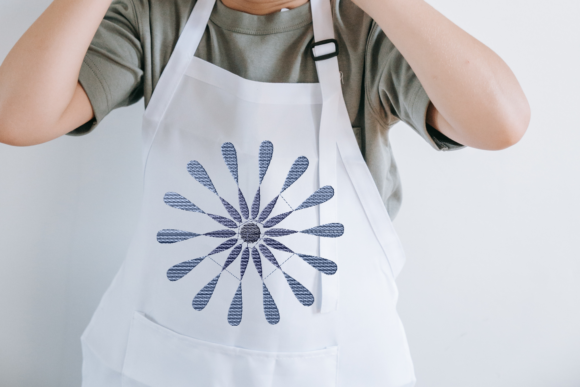
When I first pulled up the Blue Mandala file on my screen, the immediate impression was one of calm precision. As a designer who spends hours staring at digitized patterns, I look for more than just pretty shapes; I look for flow, balance, and stitch logic. This design carries a fresh and unique feel, exactly as described, but the real test is how it translates from a digital preview to a tangible finished product. The layout suggests a thoughtful arrangement of elements that should appeal to customers looking for something spiritual yet modern. Before committing this to a client's garment or a batch of shop inventory, I needed to break down how this machine embroidery design performs under the needle.
Visual Personality and Project Fit
The aesthetic of Blue Mandala leans heavily into serenity. The circular symmetry typical of a Mandala is present, but the specific detailing gives it a contemporary edge rather than a purely traditional look. In terms of visual personality, it feels versatile. It isn't so ornate that it overwhelms a small space, nor is it so sparse that it gets lost on large items.
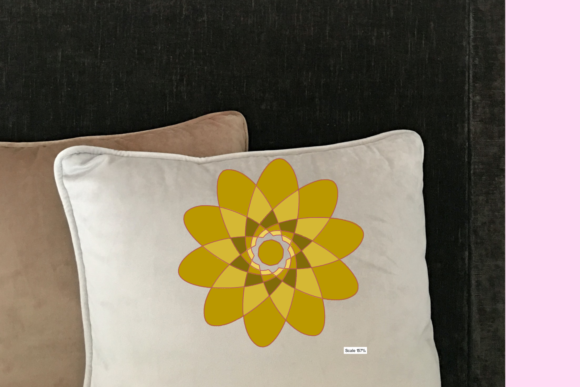
I immediately started imagining where this would shine in a real-world scenario. For a tote bag design, this pattern would act as a stunning central focal point. The geometry holds up well against canvas textures. Similarly, for sweatshirt embroidery, the design offers enough substance to look professional on heavy fleece without appearing blocky. If you are an Etsy seller focusing on boho-chic home decor, this would translate beautifully onto a linen pillow cover or a kitchen tea towel. The "fresh" vibe mentioned in the description really comes through in the open spaces between the stitch lines, preventing the design from looking too dense or heavy.
Real-Case Scenario: The Boutique Tote
To truly evaluate this embroidery file, I visualized a specific project: a custom order for a local yoga studio needing branded merchandise. They wanted a personalized gift feel for their premium members. Using Blue Mandala on a natural cotton tote seemed like the perfect application.
In this context, the design's clarity is crucial. When stitched out, the lines need to remain crisp to maintain that high-end boutique branding. The mandala structure allows for excellent brand consistency; it looks intentional and curated. For a craft business, selling a product with this level of detail increases perceived value. Customers are willing to pay more for items that look like they required skill and time to produce. The reaction from a hypothetical customer would likely be positive, associating the intricate blue tones with quality and care. However, the success of this embroidery project hinges on execution details.
Navigating Fabric and Hoop Challenges
While Blue Mandala is beautiful, every designer knows that not all fabrics play nice with complex patterns. There are specific scenarios where you need to proceed with caution. If you are working with stretchy fabric like a thin jersey t-shirt, the density of the stitches could cause puckering if the stabilization isn't perfect. The circular nature of the design means that any distortion will be immediately visible to the eye.
Similarly, textured fabrics can be tricky. If you attempt this on a highly textured waffle weave or a thick terrycloth towel, the finer details of the mandala might get lost or swallowed by the fabric pile. For these materials, you might need to adjust your underlay or choose a slightly larger size if the digital embroidery file allows for resizing without compromising stitch integrity.
Curved surfaces present another challenge. Placing this on a cap requires careful positioning. The center of the mandala must align perfectly with the crown's curve, or the outer edges will look warped. For baby embroidery, where softness is paramount, ensure that the back of the stitching doesn't feel scratchy against sensitive skin. A good cut-away stabilizer is non-negotiable here to support the design while keeping the hand of the fabric soft.
Stitch Quality and Technical Considerations
Diving deeper into the technical side, the interplay of satin stitch and fill stitch defines the character of Blue Mandala. From the preview, it appears to utilize a mix of these to create depth. Satin columns likely define the outer rings, providing a shiny, smooth finish, while fill stitches probably occupy the inner sections to add weight and color saturation.
Stitch density is a critical factor. If the design is too dense, it becomes stiff; too loose, and the fabric shows through awkwardly. For a commercial embroidery run, consistency is key. You must check if the transition between color stops is clean. Since the description notes it comes with "multi," implying multiple color options or sizes, verifying the thread chart is essential. Does the blue palette work on dark fabrics? You may need to swap thread colors to ensure sufficient contrast. A navy blue thread on a black hoodie will vanish, ruining the effect. Always test your thread colors against your specific garment shade.
Small details matter immensely. Inspect the tiny corners and intersection points in the preview. These are often where jumps or trims occur. Excessive trimming can weaken the design over time, especially for items like an embroidered patch or an apron that will undergo frequent washing. Ensure the running stitch outlines are tight enough to prevent fraying but not so tight they perforate delicate fabrics.
Maximizing Value for Makers and Sellers
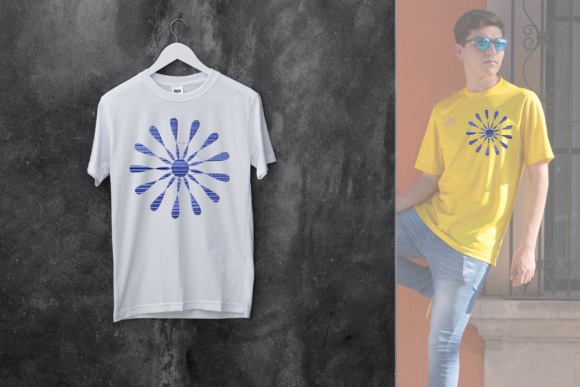
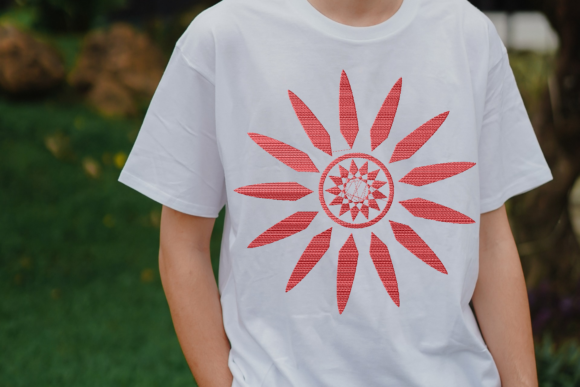
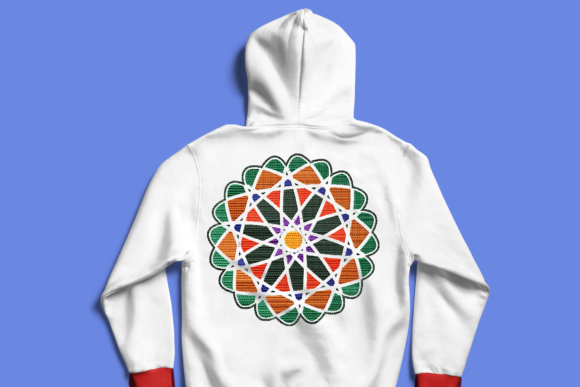
For creative entrepreneurs and small shop product creators, the choice of design directly impacts buyer engagement. Blue Mandala has the kind of visual appeal that stops a scroll on social media. It photographs well, making it ideal for creating printable mockup assets for your online store before you even stitch the first item. High-quality photos of this design on a white shirt or a denim jacket can drive traffic to your listings.
However, professionalism is about more than just the image. It is about the durability of the handmade product. Will this design hold up after thirty washes? That depends on your setup. Using the right stabilizer and ensuring proper hoop tension are steps you cannot skip. If you are selling these as holiday embroidery gifts or wedding favors, the recipient expects longevity. A peeling or puckered mandala reflects poorly on your brand trust.
Practical Designer Notes for Success
Before you launch this design into production, follow these practical steps to ensure the best results:
- Test on Scrap First: Never run a new file on a final garment without a test stitch-out on similar fabric.
- Check Contrast: Verify that your chosen thread colors pop against the fabric background, especially for dark garments.
- Review Density: Look closely at the stitch count relative to the size. If it looks too solid, consider editing the density if your software allows.
- Confirm Hoop Size: Ensure the design fits comfortably within your available hoop, leaving room for clamping without distorting the pattern.
- Inspect Details: Zoom in on the smallest elements to ensure they won't merge into a blob when stitched.
- Mockup Testing: Create black and white mockups to see if the design relies too heavily on color for definition.
- Licensing Check: Since this is a purchased asset, confirm the license terms. Can you sell the finished physical items? Can you resell the digital file? Always clarify this before listing on Etsy or other platforms.
The product description mentions that the design comes with "multi," which likely refers to multiple formats or sizes, but since exact specifications like exact stitch counts or specific file extensions aren't detailed here, you must verify these details upon download. Ensure the formats match your machine's requirements.
In conclusion, Blue Mandala is a strong contender for designers seeking a blend of tradition and modern flair. Its potential spans from custom apparel to home decor, offering a versatile solution for various design assets. With careful attention to fabric choice, stabilization, and color theory, this design can elevate a simple piece of cloth into a cherished keepsake or a best-selling shop item. It rewards the maker who pays attention to the details, resulting in a finished product that exudes quality and intention.