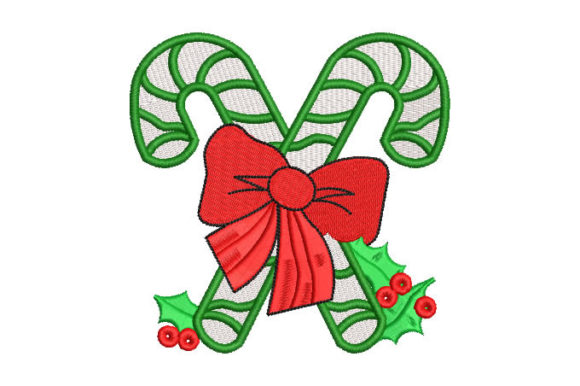
Candy Cane for Christmas: A Designer's Real-World Review
As a designer who spends more time staring at stitch maps than most people spend watching television, I approach every new machine embroidery design with a healthy dose of skepticism. We have all been there: you download a file that looks crisp on the screen, only to watch it turn into a bird's nest of thread on your actual garment. That is why I took a close look at the Candy Cane for Christmas design before committing it to any client work or personal holiday projects. This isn't just about whether it looks cute; it is about whether it holds up under the needle and delivers value to a small shop product line.
First Impressions and Visual Personality
When I first loaded the preview of Candy Cane for Christmas, the immediate takeaway was its classic, nostalgic mood. It avoids the trap of being overly cartoonish while steering clear of being too rigid or geometric. The shape feels organic, which is crucial for a motif that represents a handcrafted treat. In terms of layout, the design seems balanced, suggesting that it was digitized with an understanding of how thread pulls on fabric.
The visual personality here screams "holiday warmth." It is not aggressive or loud; rather, it sits comfortably as a decorative accent. For an Etsy seller or a boutique owner, this kind of subtlety is often more valuable than flashy graphics because it appeals to a wider demographic. Whether you are targeting grandmothers looking for heirloom-quality items or young parents wanting festive baby clothes, this design bridges that gap nicely. It feels like a staple holiday embroidery asset that won't look dated in three years.
Real-World Application: The Tote Bag Test
To truly evaluate an embroidery file, you have to imagine it on a physical object. I mentally placed this design on a heavy canvas tote bag design intended for a local craft fair. The result was promising. The curves of the cane would likely render well on a sturdy fabric where the stitch density wouldn't cause puckering. Imagine a customer walking into a pop-up shop, seeing a row of these bags, and immediately grabbing one because the red and white stripes pop against a natural linen background. That is the kind of buyer engagement we aim for.
Beyond bags, I could see this working exceptionally well on sweatshirt embroidery. A left-chest placement on a heather grey hoodie creates a sophisticated, understated look. It transforms a basic garment into a personalized gift without screaming "costume." For those running a craft business, versatility is key. This design fits seamlessly into a collection that includes kitchen towels, aprons, and even embroidered patch applications. It suggests a finished product that feels thoughtful and high-quality, reinforcing customer trust in your brand.
Navigating Fabric Challenges and Stitching Clarity
However, no design is perfect for every scenario, and honest review requires pointing out where caution is needed. If you plan to use Candy Cane for Christmas on stretchy fabrics like jersey knits for baby embroidery, you must be vigilant. Curved lines can distort if the stabilizer isn't up to the task. I would strongly advise using a cut-away stabilizer rather than tear-away for these applications to maintain the integrity of the cane's shape after multiple washes.
Texture is another factor. On highly textured fabrics like looped terry cloth or thick wool blends, fine details can get lost. While this design appears robust, the transition between the red and white sections needs clear definition. If the thread colors do not have enough contrast, or if the fill stitch is too open, the stripes might blend together on dark or busy backgrounds. Always test your thread choices. A bright candy-apple red against a navy blue works, but a muted brick red might disappear. Similarly, if you are attempting this on a curved surface like a cap, ensure the hoop size allows for proper framing without crushing the brim.
Commercial Viability and Brand Consistency
For digital product sellers and creative entrepreneurs, the question is always about scalability. Does this digital embroidery file support a cohesive brand? Absolutely. Because the motif is timeless, it supports brand consistency across different product lines. You can use it on a limited edition holiday mug wrap (as a printed mockup) and match it with an actual stitched version on a tea towel. This cross-platform consistency boosts recognition.
Furthermore, the design's simplicity aids in stitching clarity. Complex designs with tiny lettering or excessive satin stitch borders often fail when scaled down. Candy Cane for Christmas seems to rely on strong shapes rather than minute details, which means it should remain legible even in smaller hoop sizes. This makes it a safe bet for custom apparel where space is limited, such as on a cuff or a collar tag. When a customer receives a product where the stitching is clean and the design is crisp, it validates the price point and encourages repeat business.
Practical Notes for the Professional Maker
Before you commit to a production run, here are my professional recommendations for working with this specific asset:
- Test on Scrap First: Never skip the sample stitch-out. Use the exact fabric and stabilizer combination you intend to sell.
- Check Thread Contrast: Ensure your red and white threads create a sharp distinction, especially if using variegated threads.
- Review Stitch Density: If the design feels too stiff on lightweight fabric, consider reducing the density settings in your editing software if the file format allows.
- Verify Licensing: Since this is intended for potential commercial use, confirm the license terms regarding selling finished items versus reselling the file itself.
- Mockup Testing: Create printable mockups in both black and white and color to see how the design reads without the distraction of holiday hues.
It is also worth noting that the product description mentions the design comes with "multiple" options, though specific formats or sizes were not detailed in the initial overview. As a prudent designer, I always advise checking the download folder for a variety of hoop size compatibilities and file types (like PES, DST, or EXP) to ensure they match your specific machine setup. Do not assume compatibility; verify it.
Final Verdict on Finished Product Quality
In the world of handmade goods, the difference between a hobbyist item and a professional product often comes down to the quality of the assets used. Candy Cane for Christmas has the potential to elevate a simple project into something special. Its strength lies in its adaptability and classic appeal. Whether you are decorating a nursery, branding a line of holiday aprons, or creating a one-off gift for a neighbor, this design offers a reliable foundation.
Ultimately, the success of any embroidery project depends on the maker's skill and preparation. But starting with a design that has good bones makes that job significantly easier. If you treat this file with the respect it deserves—by choosing the right materials, testing your tension, and minding your stabilizers—you will end up with a finished product that brings joy to whoever receives it. That, after all, is the true spirit of the season and the goal of every serious maker.