Chibi Hippie Boy: A Designer's Review for Small Business Merch
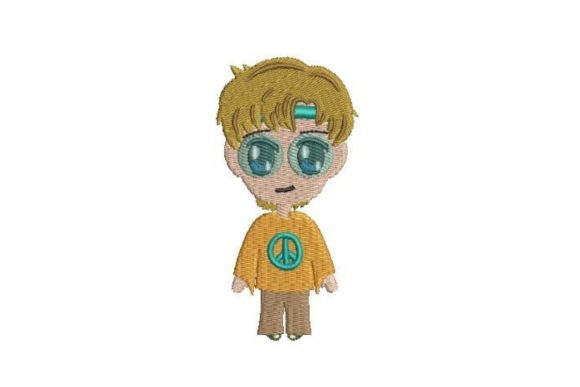
As an embroidery designer who spends countless hours digitizing and testing files for commercial use, I approach every new machine embroidery design with a critical eye. It is not just about whether the artwork looks cute on a screen; it is about how that digital embroidery file translates into a tangible finished product that builds a brand. Today, I am reviewing Chibi Hippie Boy, a design categorized under Boys and Embroidery, specifically evaluating its potential for small business merchandise, branded patches, and custom apparel.
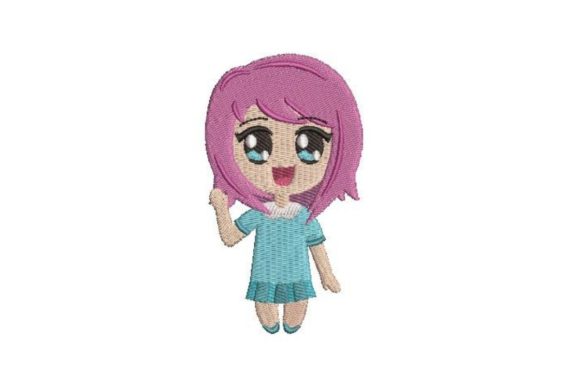
The first impression of Chibi Hippie Boy is one of approachable warmth. The description promises to "spread love and cuteness," and visually, the chibi style delivers exactly that. For a small business owner running a boutique, a creative studio, or a local café, this aesthetic is gold. It feels handmade, playful, and distinctly modern without trying too hard. In a market saturated with generic corporate logos, a character-driven design like this offers a unique visual personality that can instantly humanize a brand. It suggests a business that values creativity, kindness, and a touch of retro flair, making it an excellent candidate for brands wanting to project a friendly, community-focused image.
Real-World Application for Branded Merchandise
When considering where to deploy Chibi Hippie Boy, the possibilities for small business merch are extensive. My primary recommendation is for embroidered patch production. Patches are incredibly versatile; they can be ironed onto denim jackets, sewn onto canvas tote bags, or adhered to backpacks. For a florist or a pet brand, attaching a high-quality patch of this character to packaging or gift items adds a delightful surprise element that encourages social media sharing.
Beyond patches, this design shines as an accent on custom apparel. Imagine a local bakery using this character on the chest pocket of staff uniforms or as a sleeve detail on aprons. Apron embroidery requires durability and clarity, and the bold lines typical of chibi styles usually hold up well against frequent washing. Similarly, for cap embroidery, the compact nature of the character makes it suitable for the curved front panel, provided the digitizing accounts for the fabric's curvature. It serves as a perfect conversation starter for employees, turning a standard uniform into a piece of branded art.
For Etsy sellers and crafters, this design can elevate handmade product lines. Whether stitched onto a plush toy, a baby blanket, or a decorative pillow, Chibi Hippie Boy adds perceived value. It transforms a simple textile item into a collectible piece of art. Furthermore, for event merch, such as street fairs or craft markets, this design works beautifully on tote bags. A tote bag design featuring a charming character often sells better than a plain text logo because customers view it as fashion rather than just advertising.
Technical Considerations and Production Challenges
While the artistic merit of Chibi Hippie Boy is clear, a professional review must address the technical realities of commercial embroidery. The chibi style often relies on large heads and small bodies, which can create balance issues if the stitch count is too high in the head area relative to the body. Before running a production batch, it is crucial to check the stitch density. High density can lead to puckering, especially on lighter fabrics or when working with detailed outlines.
One must also be cautious with thread colors. Anime-inspired designs often utilize vibrant, contrasting hues. While beautiful, ensuring these colors do not bleed into each other during the wash cycle is vital. I strongly advise testing the design in black and white first. This stress test reveals if the shape holds up without relying on color differentiation. If the silhouette becomes muddy in monochrome, the design may lack the definition needed for small-scale applications like lapel pins or tiny pocket logos.
Fabric texture plays a significant role in the final outcome. On textured fabrics like Terry cloth or heavy canvas, fine details in the face or hair might get lost. For cap embroidery, the stiffness of the buckram helps, but the needle penetration must be precise to avoid deflection. Additionally, always confirm the required hoop size before purchasing. If the design is larger than your standard hoop, you may need to re-hoop or resize, which can alter the stitch density and affect the quality. Using the proper stabilizer is non-negotiable; a cut-away stabilizer is often best for items that will undergo frequent washing, ensuring the design remains crisp over time.
Impact on Brand Identity and Customer Trust
Incorporating Chibi Hippie Boy into your product line does more than just decorate an item; it shapes your brand identity. Consistency is key. If this character becomes the face of your shop, it needs to appear consistently across all design assets, from your website's printable mockup to the actual stitched goods. A well-executed embroidery job signals professionalism. Sloppy stitching, skipped stitches, or poor thread tension can undermine customer trust, regardless of how cute the character is.
When customers see a high-quality embroidered character, they associate that level of care with the rest of your products. It suggests that you pay attention to details. For handmade brands, this is the difference between a hobbyist vibe and a premium boutique feel. The "love and cuteness" mentioned in the product description should translate into the tactile experience of the embroidery. When a customer runs their hand over a smooth, well-saturated patch of Chibi Hippie Boy, it reinforces a positive emotional connection to your brand.
Essential Designer Notes for Business Owners
Before integrating Chibi Hippie Boy into your inventory, follow these practical steps to ensure success:
- Test on Real Fabric: Never judge a design solely on a screen. Stitch it out on the exact fabric you intend to sell.
- Check Small Sizes: Verify that the design remains legible if scaled down for smaller patches or tags.
- Review Contrast: Ensure the thread colors pop against your chosen garment colors, especially on dark uniforms.
- Inspect Spacing: Look for areas where stitches might crowd together, causing bulk or thread breaks.
- Create Mockups: Use a printable mockup to show clients how the design will look on different products before they commit.
- Verify Licensing: Most importantly, confirm the commercial licensing terms. Ensure you have the right to use this embroidery file for mass production and resale.
The product description notes that it will "stitch out wonderfully," but as a professional, I know that results depend heavily on machine maintenance, thread quality, and operator skill. Since specific details like exact stitch count or file formats were not provided in the brief description, I advise readers to check those specifications with the vendor before production. By treating Chibi Hippie Boy not just as a pretty picture but as a strategic business asset, you can leverage its charm to build a loyal customer base and create memorable, high-value merchandise.