Dancer Review: A Ballerina Design for Handmade Goods
As an embroidery designer who spends most of my days hooping fabric and tweaking tension settings, I am always on the lookout for machine embroidery design files that balance aesthetic charm with technical reliability. Recently, I came across a product titled Dancer on Creative Fabrica, described as a lovely ballerina design perfect for decorating dance clothes and accessories. Before committing this digital embroidery file to a paid customer order, I wanted to evaluate its potential for real-world application. This review breaks down the visual appeal, practical limitations, and commercial viability of this specific asset for small business owners and crafters.
First Impressions and Visual Mood
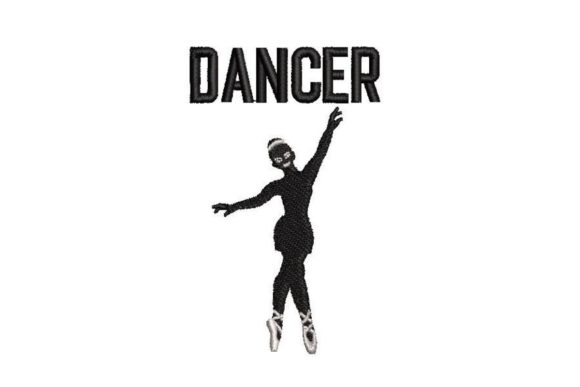
The immediate draw of Dancer is its classic silhouette. In the world of Dance themed merchandise, customers often look for elegance rather than cartoonish exaggeration, and this design appears to hit that mark. The preview images suggest a focus on the graceful lines of a ballerina, likely utilizing a mix of satin stitch for the outline and definition, and potentially fill stitch for the tutu or bodice areas. For a designer, the "stitching personality" of a file is crucial; does it look like a block of thread, or does it have movement?
From a decorative standpoint, Dancer seems naturally suited for projects where vertical space is available but width might be limited. The mood is whimsical yet refined, making it a strong candidate for nursery decor, boutique children's apparel, or personalized gifts for dance students. However, a pretty preview image does not guarantee a smooth stitching experience. The true test lies in how these details translate when the needle hits the fabric.
Evaluating Real-World Project Suitability
When considering Dancer for a commercial finished product, versatility is key. I envision this embroidery file working beautifully on several specific items:
- Custom Apparel: Placed on the chest pocket of a denim jacket or the sleeve of a long-sleeve tee, this design adds a subtle touch of flair without overwhelming the garment.
- Tote Bag Design: A canvas tote is an excellent canvas for this motif. The sturdy fabric can support the stitch count, and the theme appeals to dance moms carrying recital gear.
- Sweatshirt Embroidery: On a fleece-lined sweatshirt, the texture of the running stitch or satin columns would pop nicely against the soft background.
- Embroidered Patch: If stitched on twill with a merrowed edge, this could become a standalone patch for hats or bags, increasing its utility.
- Nursery Decor: Framed hoop art or pillow covers featuring Dancer fit perfectly into a child's room theme.
For Etsy sellers and handmade shop owners, the ability to use this design across various categories—from baby blankets to kitchen towels—adds significant value to the download. It allows for a cohesive collection of design assets without needing to purchase multiple separate files.
Technical Considerations and Stitching Challenges
While the aesthetic is promising, experienced embroiderers know that devil is in the details. When reviewing Dancer, several technical factors must be assessed before running a production batch.
Stitch Density and Fabric Choice: If the design relies heavily on dense fill stitches for the tutu, it may cause puckering on stretchy fabrics like jersey knits or lightweight cottons. For custom apparel intended for active wear, such as actual dance clothes, the stitch density must be breathable and flexible. I would strongly advise testing on scrap fabric first. If the design feels too stiff after stitching, it might crack or distort after frequent washing.
Hoop Size Constraints: One of the most common frustrations with downloaded designs is discovering they barely fit your smallest hoop. While Dancer is described as suitable for accessories, you must confirm the specific dimensions on the product page. If you plan to stitch this on a curved cap surface, ensure the height of the ballerina fits within the cap frame's vertical limits. A design that is too tall will require re-digitizing or scaling, which can ruin the proportion of the dancer's limbs.
Thread Colors and Contrast: The visual impact of Dancer depends heavily on thread colors. On dark fabric, light threads are essential, but you must check if the design includes underlay stitches sufficient to prevent the background fabric from showing through gaps in the stitching. Conversely, on white toweling or aprons, ensure the thread contrast is sharp enough to define the dancer's features. Tiny details, like facial features or ribbons on the shoes, can easily get lost if the thread weight is too thick or the stitch count is too low.
Stabilizer Selection: Given the potential for intricate details, using the proper stabilizer is non-negotiable. For textured fabrics like terry cloth towels, a water-soluble topper might be necessary to keep the stitches sitting on top of the loops rather than sinking in. For stretchy sweatshirts, a cut-away stabilizer would provide the longevity needed for a commercial product.
Commercial Value and Brand Consistency
For creative entrepreneurs, the ultimate question is: Does this design help sell products? A high-quality machine embroidery design like Dancer can significantly enhance buyer trust. When a customer sees clean, crisp stitching with no pull-outs or bird nests, it reflects professionalism. This attention to detail builds brand consistency, encouraging repeat buyers.
In terms of marketing, Dancer offers great potential for printable mockup creation. The recognizable silhouette photographs well, allowing you to create compelling social media content or website banners. Whether used for a seasonal handmade gift or a year-round boutique merchandise staple, the emotional connection people have with dance makes this a high-engagement motif. However, remember that the perceived value of your handmade product is tied to the execution. Even the best design will look amateurish if the tension is off or the fabric choice is poor.
Final Verdict and Usage Recommendations
Dancer appears to be a versatile addition to a library of Creative Fabrica embroidery files, particularly for those specializing in children's goods and dance-related niches. Its strength lies in its thematic clarity and potential application across various substrates. However, success with this file requires due diligence.
Before listing items made with Dancer on Etsy or at a craft fair, take the following steps:
- Verify File Details: Check the product page for the included formats (PES, DST, JEF, etc.) to ensure compatibility with your specific machine.
- Review Licensing: Confirm the license terms on Creative Fabrica. Most allow for commercial use of finished physical items, but restrictions may apply to digital redistribution.
- Conduct a Stitch-Out: Always stitch a sample on the exact fabric you intend to sell. Check for registration issues between color stops and inspect small details after washing.
- Assess Scalability: If you need to resize the design for a tiny pocket or a large blanket, ensure the digitizing holds up without manual adjustment.
In conclusion, Dancer holds promise as a reliable tool for expanding your product line. By respecting the technical requirements of Embroidery and pairing this design with high-quality materials, you can create beautiful, sellable items that resonate with your audience. Just remember, the file is only half the equation; your skill as the operator brings the ballerina to life.