Dead End Sign: A Designer's Review for Custom Gifts
As an embroidery designer who has spent years testing countless machine embroidery design files for my own shop and client orders, I approach every new pattern with a critical eye. Recently, I had the opportunity to review the Dead End Sign embroidery file. While the product category is listed under Travel, my initial assessment revealed that this design holds far more potential than just a souvenir for road trippers. It possesses a unique charm that bridges the gap between playful irony and modern minimalist decor, making it a compelling choice for a wide range of personalized gift products.
First Impressions: Mood and Aesthetic Appeal
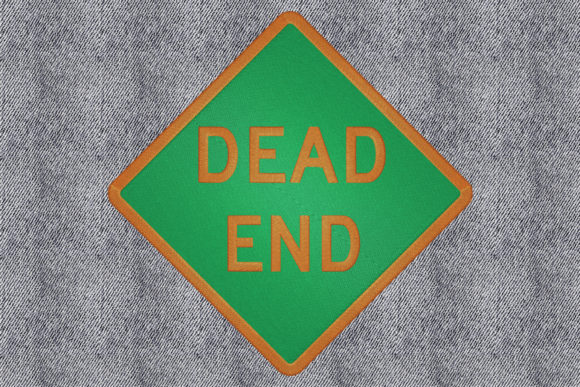
Upon loading the digital embroidery file into my editing software, the first thing that struck me was the clean, graphic nature of the Dead End Sign. Unlike overly ornate vintage patterns that can get lost in translation on fabric, this design feels distinctly modern. It carries a mood that is slightly whimsical yet undeniably classic. There is a certain "stop and look" quality to it that translates beautifully into a handmade product.
The emotional appeal here is subtle. For some, it represents a literal love for travel and exploration. For others, particularly in a nursery or home setting, it serves as a humorous metaphor—perhaps marking the end of a chaotic day or a cute boundary for a toddler's room. The detail level appears crisp, suggesting that when stitched out correctly, it will look professional rather than amateurish. This balance of simplicity and character is exactly what Etsy sellers and boutique owners look for when curating items that stand out in a crowded marketplace.
Versatility Across Product Categories
One of the strongest assets of the Dead End Sign is its adaptability. While the description mentions pillows, t-shirts, and sweatshirts, my experience suggests it shines even brighter on specific niche items. Here is how I envision this design performing across different mediums:
- Nursery Decor: Imagine this stitched onto a neutral-toned blanket embroidery project or a wall hanging for a baby boy's room. It adds a touch of personality without being overwhelming.
- Kitchen Linens: An embroidered towel featuring this sign makes a fantastic housewarming gift. It implies a cozy "end of the road" feeling for the kitchen.
- Tote Bags and Aprons: For the crafty individual, placing this on a canvas tote or a chef's apron creates a statement piece that is both functional and stylish.
- Wedding Keepsakes: While unconventional, this could serve as a humorous wedding gift for a couple who loves road trips, perhaps stitched onto a pillow cover for their getaway vehicle or honeymoon cabin.
For small shop product creators, the ability to pivot this design from a travel accessory to a home decor staple significantly expands the target audience. It allows you to market the same embroidery file to parents, travelers, and interior design enthusiasts simultaneously.
Technical Considerations for Flawless Execution
However, enthusiasm must be tempered with technical precision. As a professional, I cannot stress enough the importance of testing before committing to a customer order. The Dead End Sign likely contains specific elements that require careful attention regarding stitch density and fabric choice.
If the design includes small lettering or fine lines typical of street signs, these details can easily become muddy on textured fabrics. When working with thick towels or looped terrycloth, the needle may struggle to penetrate evenly, potentially distorting the sharp edges of the sign. Similarly, stretchy baby clothes require a different approach than stable cotton canvases. I strongly advise running a test stitch on scrap fabric that matches your intended material exactly.
Furthermore, consider the thread colors you select. A high-contrast look (such as white thread on navy blue) often yields the best results for sign-style graphics, ensuring legibility. However, if you are aiming for a softer, tonal look, ensure the contrast is still sufficient to define the shape. Always check your hoop size compatibility; while the description notes multiple formats, confirming that the design fits your specific hoop without excessive re-hooping is crucial for alignment.
Navigating Fabric Challenges
Certain surfaces demand extra caution. Curved surfaces, like the pocket of a sweatshirt or the side of a cylindrical pillow, can cause registration issues if the design is too large or dense. Dark fabrics also require a solid underlay to prevent the background color from peeking through the stitching, which can ruin the crisp "sign" aesthetic. Using the correct stabilizer is non-negotiable here. For knits, use a cut-away stabilizer to support the stitches over time; for wovens, a tear-away might suffice, but always prioritize stability to maintain the design's integrity after washing.
Enhancing Perceived Value and Customer Trust
In the world of custom embroidery, the finished look dictates the price point. A well-executed Dead End Sign elevates a simple item into a curated gift. When customers see clean satin stitches and perfect alignment, their trust in your brand deepens. This design, with its clear lines and recognizable shape, offers an excellent opportunity for high-quality product photography.
Flat lays featuring this design on a folded blanket or draped over a chair arm can create compelling visuals for social media and online listings. The graphic nature of the sign photographs well, catching the eye of scrolling buyers. For commercial embroidery ventures, this means higher engagement rates and a stronger perceived value. Customers are willing to pay a premium for items that feel thoughtful and professionally crafted, and this design delivers that sentiment effectively.
Final Verdict and Practical Next Steps
The Dead End Sign is a versatile and charming addition to any designer's library. Its strength lies in its ability to transcend the literal meaning of a traffic sign and become a decorative element that speaks to lifestyle, humor, and home. Whether you are creating baby embroidery pieces, unique wedding favors, or everyday carry items, this file offers a solid foundation for creativity.
Before launching your new collection, remember to verify the specific license terms included with your purchase. While the description mentions it can be used for various products, confirming commercial licensing ensures you are protected when selling finished goods. Additionally, since exact stitch counts and specific format details were not fully elaborated in the brief overview, I recommend downloading a preview or checking the vendor's detailed specs to ensure compatibility with your machine.
By paying attention to fabric texture, choosing the right stabilizer, and testing your thread contrasts, you can transform this digital embroidery file into a best-selling finished product. For the handmade seller looking to add a touch of modern wit to their inventory, the Dead End Sign is a route worth exploring.