Dough Mixer with Bowl: A Redwork Review for Makers
As a designer who spends more time staring at stitch maps than most people spend looking at their phones, I approach every new machine embroidery design with a mix of optimism and skepticism. We've all been there: you download a cute file, load it onto your machine, and halfway through the run, you realize the density is going to puckering your fabric or the details are too fine for the thread weight you're using. That is why I took a close look at the Dough Mixer with Bowl design before committing it to a client project. This isn't just about whether it looks cute on a screen; it's about how it performs as a finished product in the real world.
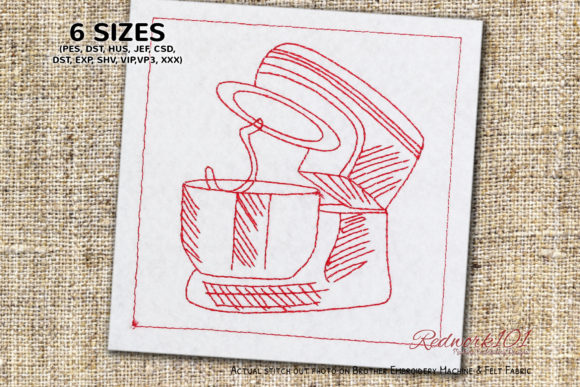
The first thing that strikes me about this embroidery file is its commitment to the redwork aesthetic. In an era where designs often try to do too much with complex shading and thousands of stitches, there is something refreshing about a clean, single-color outline. The Dough Mixer with Bowl captures a vintage kitchen vibe that feels timeless rather than trendy. It evokes the feeling of a mid-century home, making it an ideal candidate for projects that aim for warmth and nostalgia. The layout is balanced, with the mixer standing tall and the bowl nestled appropriately, creating a silhouette that reads clearly even from a distance.
Putting the Design to the Test: A Real-World Scenario
To truly evaluate this design, I imagined a specific use case that many of us face during the holiday season: creating a set of custom flour sack towels for a wedding gift or a housewarming present for a passionate chef. Kitchen linens are a staple for Etsy sellers and craft fair vendors because they are practical, affordable to produce, and highly giftable. However, they also present challenges. Towel fabric can be textured and slightly unstable, which demands a design that doesn't rely on overly dense fills.
This is where the Dough Mixer with Bowl shines. Because it is described as a redwork style, it likely relies heavily on running stitch or light satin columns rather than heavy fill stitch areas. This lower stitch density is crucial for textured fabrics like waffle weave or linen blends commonly used in the Kitchen. If I were to run a dense design on a thin tea towel, the fabric would pucker, and the item would feel stiff and uncomfortable to use. With this design, the result is a soft, drapey towel where the image sits nicely on the surface without distorting the material.
I also considered how this would look on a canvas tote bag design. For a small shop product aimed at bakers or cooking enthusiasts, this motif works beautifully. The simplicity of the line art allows it to scale well. Whether you are stitching it large on the back of a tote or smaller on a pocket, the recognizable shape of the mixer remains intact. It avoids the "muddy" look that sometimes happens when complex digital embroidery files are resized incorrectly.
Technical Considerations for Professional Results
While the aesthetic is strong, a professional embroidery project requires attention to technical details. The product description mentions that a "Box Stitch" shown in the picture is optional. This is a vital detail for any craft business owner. Optional elements give you flexibility. If you are embroidering on a stretchy fabric like a sweatshirt, you might choose to omit extra decorative stitches to minimize pull and ensure the garment remains comfortable. Conversely, on a sturdy denim apron, adding those optional details could add a nice touch of complexity without risking fabric distortion.
One area requiring careful judgment is the choice of thread colors. While redwork traditionally implies red thread on white fabric, don't feel boxed in. For a modern twist on this Kitchen theme, consider using a slate blue or a sage green on a natural cream background. However, contrast is key. If you are stitching this on a dark fabric, ensure you select a thread color that pops. Since this is likely an outline-heavy design, it won't cover the background fabric completely, so the base color will show through. This makes it less suitable for hiding stains on work aprons but perfect for decorative items where the fabric color is part of the design intent.
Stabilizer selection is another non-negotiable. Even with a lighter design, using the correct stabilizer ensures crisp lines. For the aforementioned tea towels, a cut-away stabilizer is often safer than tear-away, as kitchen items undergo frequent washing. You want the embroidered patch effect to last the lifetime of the towel without the stitches sinking into the weave over time.
Versatility Across Product Lines
Beyond towels and totes, the Dough Mixer with Bowl has potential in other niches. For baby embroidery, this design could be adorable on a bib or a onesie, perhaps signaling a future little baker in the family. The soft lines are gentle enough for infant wear, provided you use a soft backing to protect sensitive skin. For custom apparel, imagine this stitched on the chest of a chef's coat or the sleeve of a cozy hoodie. It adds a personal touch that mass-produced graphics simply cannot match.
For those selling printable mockups or design assets, this image offers a clean vector-like quality when stitched. It photographs well for online listings because the lack of heavy shading reduces harsh shadows in product photos. This clarity helps build customer trust; buyers can see exactly what they are getting, which reduces return rates and increases satisfaction.
Final Verdict and Designer Notes
The Dough Mixer with Bowl is a solid addition to a library of commercial embroidery assets. Its strength lies in its simplicity and adaptability. It fits naturally into the current trend of cottage-core and vintage-inspired home goods without feeling dated. However, before you start churning out inventory, here are a few practical steps I recommend:
- Test on Scrap Fabric First: Always run a test stitch-out on the exact fabric you plan to sell. What looks good on cotton might behave differently on a poly-blend sweatshirt.
- Check Hoop Size Compatibility: Ensure the design fits within your available hoop sizes, especially if you plan to offer it as an add-on for hats or small pockets.
- Review Licensing Terms: The description hints at usage for gifts, but if you are an Etsy seller planning to sell finished goods commercially, double-check the license included with the digital embroidery file. Some designers restrict the number of items you can sell.
- Inspect Small Details: Look closely at the connection points in the mixer's mechanism. Ensure there are no unnecessary jumps or trims that could slow down production.
- Consider Fabric Texture: Avoid using this on highly textured loops like terry cloth unless you use a water-soluble topping to prevent the stitches from sinking.
In conclusion, this design offers a high value-to-effort ratio. It creates a professional, handmade look that elevates simple items into thoughtful personalized gifts. Whether you are decorating a boutique apron or creating a holiday gift for a partner who loves to bake, the Dough Mixer with Bowl delivers a charming, clean result that stands up to scrutiny. It reminds us that in Embroidery, sometimes less really is more.