Layered Elephant: A Stylish Choice for Modern Embroidery
As an embroidery designer who spends more time staring at stitch maps than most people spend on their phones, I am always cautious about new downloads. We have all been there: you buy a digital embroidery file based on a pretty thumbnail, only to find the stitch count is astronomical, the density is too high for standard fabric, or the layers don't align correctly on the hoop. Recently, I came across the Layered Elephant design on Creative Fabrica and decided to evaluate it not just as a pretty picture, but as a viable asset for real-world commercial projects.
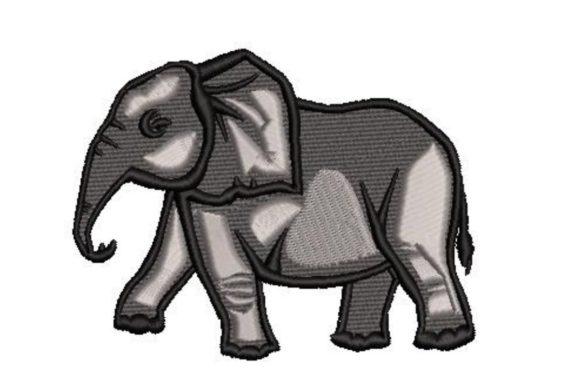
This machine embroidery design falls under the Wild Animals category, but its aesthetic feels far more versatile than a typical safari-themed motif. The "layered" aspect suggests a modern, dimensional approach, likely utilizing overlapping shapes or varied stitch types to create depth without relying solely on complex shading. For those of us running small businesses or selling on Etsy, finding a design that bridges the gap between cute nursery decor and stylish adult apparel is the holy grail.
First Impressions and Visual Mood
The immediate appeal of the Layered Elephant is its clean, contemporary silhouette. Unlike traditional elephant designs that might rely heavily on dense fill stitch work which can become stiff and board-like, this design appears to utilize a smarter distribution of stitches. The layering technique often implies a mix of satin stitch borders and open fill areas, or perhaps even elements suitable for applique design workflows if you are feeling adventurous with fabric overlays.
The visual mood is gentle yet sophisticated. It avoids the overly cartoonish look that limits your customer base to baby items only. Instead, it carries a boho-chic vibe that fits perfectly with current trends in home decor and boutique fashion. When I visualize this stitched out, I see it working beautifully on neutral tones like sage green, mustard yellow, or classic navy, making it a strong contender for a wide range of thread colors.
Real-World Application Scenarios
Before committing to a full production run, I mentally tested this design across various substrates. Here is how the Layered Elephant holds up in different project scenarios:
- Custom Apparel and Sweatshirts: This is likely the strongest use case. The layered structure suggests it would look fantastic on a heavyweight cotton blend sweatshirt. The design's potential balance of density means it shouldn't weigh down the garment, preserving the drape of the fabric while adding a high-value decorative element.
- Tote Bag Design: Tote bags require durable stitching that can withstand friction. If the outer layers of the elephant use robust satin columns, this could be an excellent choice for eco-friendly shopping bags. The distinct layers help the design pop against canvas textures.
- Nursery Decor and Baby Items: While the style is mature enough for adults, the subject matter remains perfect for baby blankets and bibs. However, one must be careful with stitch density here. For items touching sensitive skin, ensuring the back of the stitching is covered or using a soft backing is crucial.
- Embroidered Patches: The defined edges of a layered design often translate well to patch creation. If the file includes a proper merrow border or if you add one digitally, this could be a best-seller as an iron-on or sew-on patch.
- Kitchen Towels and Aprons: For hospitality or gift markets, placing this elephant on a waffle-weave towel or a linen apron adds a touch of whimsy. The layered look prevents the design from getting lost in the texture of the fabric.
Technical Considerations for the Professional
While the aesthetic is promising, the technical execution is where a design lives or dies. When reviewing the Layered Elephant, there are several practical factors to consider before hooping your machine.
Hoop Size and Placement: Layered designs can sometimes be wider than they appear due to the offset elements. You must confirm the hoop size requirements listed on the Creative Fabrica product page. If you are planning to embroider this on curved surfaces like caps, ensure the design fits within a standard cap frame without the layers getting truncated by the hoop edge.
Fabric Compatibility: The performance of this design will vary significantly based on your material. On stretchy fabrics like jersey knits, the interaction between the different layers of stitching could cause puckering if the stabilizer isn't adequate. I strongly recommend using a cut-away stabilizer for garments that will be washed frequently. For woven fabrics like denim or canvas, a tear-away might suffice, but always test first.
Stitch Density and Texture: One of the risks with "layered" aesthetics is excessive build-up. If the designer has stacked multiple fill areas directly on top of each other, the result can be a stiff, raised plastic-like feel. Before using this for a customer order, stitch a sample on scrap fabric identical to your final product. Check the back of the sample; if you see excessive thread buildup or bird nesting between the layers, you may need to adjust your tension or switch to a lighter weight thread.
Dark vs. Light Fabrics: Does the design include an underlay or a background fill? Some layered designs rely on the fabric color showing through gaps to create the "layers." If this is the case, the design might look completely different on a black hoodie versus a white tote bag. Always compare light and dark fabric mockups. If the design lacks a solid background layer, you may need to edit the file to add one for dark garments.
Impact on Product Value and Branding
In the world of handmade goods, presentation is everything. Using a high-quality, unique design like the Layered Elephant can significantly elevate your brand perception. Generic, clip-art style embroidery is easily spotted by discerning buyers and can lower the perceived value of your finished product.
A well-executed layered design demonstrates attention to detail and modern taste. It suggests that the maker cares about current design trends. This can lead to higher price points for your personalized gift items or commercial embroidery products. Furthermore, the visual depth of the layers creates excellent opportunities for product photography. The shadows and textures created by the overlapping stitches catch the light beautifully, making your Instagram posts and Etsy listings more engaging.
Consistency is key for building buyer trust. If you establish a shop theme around modern, nature-inspired motifs, the Layered Elephant fits seamlessly into a collection that might also include layered leaves, geometric mountains, or minimalist wildlife. This cohesiveness helps customers recognize your brand instantly.
Final Verdict and Best Practices
The Layered Elephant from Creative Fabrica presents itself as a versatile and stylish option for the modern embroiderer. It moves beyond the basic outlines we often see and offers a chance to create something with genuine dimension. However, like any design asset, its success depends on your preparation.
Before launching this into your product line, adhere to these golden rules:
- Test Rigorously: Never skip the sample stitch-out. Test on the exact fabric weight you intend to sell.
- Check Licensing: Always review the license terms on the Creative Fabrica product page. Ensure that your intended use (e.g., selling unlimited physical finished goods) is covered.
- Inspect Details: Zoom in on the stitch map. Look for tiny lettering or micro-details that might not stitch out clearly on textured fabrics like towels.
- Verify File Formats: Ensure the download includes the specific format your machine requires (PES, DST, JEF, etc.) to avoid conversion errors that can ruin stitch quality.
If you are looking to expand your catalog with a design that appeals to both the nursery market and the boho-adult demographic, the Layered Elephant is worth a closer look. Just remember, the difference between a good product and a great one often lies in the stabilizer you choose and the care you take during that first test run.