Working from Home with Cats: A Designer's Review
As a designer who spends more time staring at digitized screens than actual landscapes, the theme of Working from Home with Cats hits a little too close to home. When I first pulled up this machine embroidery design in my software, my immediate reaction wasn't just about the technical specs; it was about the mood. In an era where our living rooms have doubled as boardrooms and our feline friends have become unwilling co-workers, this design captures a specific, relatable cultural moment. It isn't just a cute image; it is a conversation starter stitched in thread. For those of us running a craft business or selling on Etsy, finding designs that resonate emotionally with buyers is half the battle, and this one has that spark.
First Impressions and Visual Personality
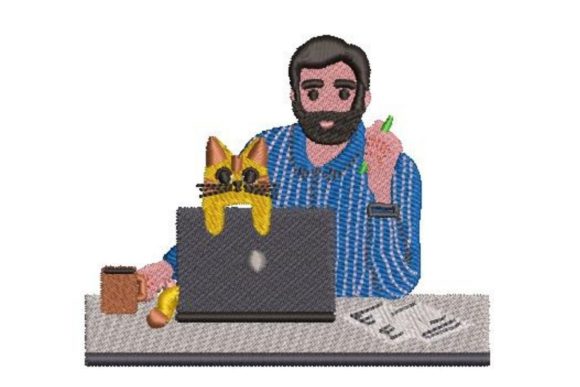
The layout of Working from Home with Cats feels balanced without being rigid. From a visual standpoint, the composition suggests a playful interaction between professional duty and domestic chaos. The lines appear clean, suggesting a mix of satin stitch for outlines and fill stitch for the body of the cat and any accompanying elements like laptops or coffee mugs. This combination is crucial because pure fill can sometimes look heavy on smaller items, while too much running stitch might lack presence on larger garments. The personality of the design leans towards whimsical yet polished, making it versatile enough for a high-end boutique sweatshirt or a quirky kitchen towel.
What stands out most is how the design handles negative space. In embroidery, what you don't stitch is often as important as what you do. This design seems to breathe well, avoiding the "patchy" look that occurs when density is too high. For a handmade product to feel professional, the stitches need to lay flat and smooth. Based on the preview, this embroidery file looks like it will perform well on medium-weight fabrics, offering enough coverage to be vibrant without puckering the material underneath.
Real-World Application: The Tote Bag Test
To truly evaluate a design, I always imagine it on a specific product before I ever thread the needle. Let's consider a custom canvas tote bag design. Tote bags are staples for Etsy sellers and craft fair vendors because they are practical and offer a large stitching area. Placing Working from Home with Cats on a natural cotton tote creates an instant narrative. It tells the story of the buyer—a freelancer, a writer, or a remote worker who loves their pet.
In this scenario, the design acts as a personalized gift that doesn't require monogramming. The humor inherent in the theme adds value. A customer isn't just buying a bag; they are buying a piece of art that validates their daily struggle of trying to answer emails while a cat walks across the keyboard. If I were producing these for a small shop product line, I would likely pair this with a bold, contrasting thread color to make the design pop against the neutral canvas. The durability of the stitch pattern would also be a key factor here, as tote bags undergo significant wear and tear. A well-digitized design ensures the finished product survives multiple wash cycles without losing its shape.
Apparel and Home Decor Versatility
Beyond bags, this design shines in custom apparel. Imagine a cozy fleece sweatshirt embroidery project. The soft texture of fleece pairs beautifully with the thematic warmth of cats and home life. However, working with stretchy fabrics requires caution. If the stitch density is too high, the design could restrict the stretch of the garment or cause tunneling. A prudent designer would test this on scrap fleece first, perhaps adjusting the underlay settings if the machine allows.
For home decor, think about pillow covers or tea towels. A holiday embroidery gift for a colleague who just transitioned to remote work could feature this design on a linen napkin set. It serves as a subtle nod to the "new normal." The scale of the design seems appropriate for these smaller household items, provided the hoop size accommodates the full width without cropping essential details. It is important to note that for items like caps or curved surfaces, the distortion factor must be considered. While possible, complex scenes with cats and office gear might lose clarity on a highly curved surface like a baseball cap unless the digitizer specifically optimized it for that application.
Technical Considerations for Professional Results
Before committing to a production run, there are several technical boxes to check. First, verify the available thread colors. Does the design rely on subtle shading that requires specific brand matches, or is it robust enough to work with standard palettes? For commercial viability, having a version that works in fewer colors can reduce production time and cost.
Fabric texture plays a massive role in how Working from Home with Cats renders. On a textured waffle knit or a rough linen, fine details might get lost. Conversely, on a smooth polyester blend, the sheen of the thread might enhance the satin stitch elements. Always use the correct stabilizer. For a design with potential dense areas, a cut-away stabilizer is often safer than tear-away, especially for garments that will be washed frequently. This prevents the design from shifting or sagging over time, maintaining the professionalism of your brand consistency.
Another critical step is reviewing the small details. Are there tiny lettering elements or intricate whiskers that might merge together during stitching? If the design includes text, ensure it is legible at the intended size. Tiny text can easily turn into a blob of thread if the resolution isn't sharp. I recommend creating a black-and-white mockup or a printable mockup to check contrast levels before stitching. This helps visualize how the design will look on dark versus light backgrounds without wasting thread.
Commercial Viability and Licensing
For the commercial embroidery entrepreneur, understanding the licensing terms is non-negotiable. While the description mentions this is perfect for home decoration and implies versatility, you must confirm whether the license allows for unlimited sales of finished physical goods or if there are restrictions on digital redistribution. As an Etsy seller or creator of design assets, protecting your business from infringement claims is paramount. Assuming the license permits commercial use of the physical finished product, this design offers strong market potential. It taps into the evergreen niche of pet lovers while riding the wave of remote work culture.
Ultimately, Working from Home with Cats is more than just a pattern; it is a reflection of our current lifestyle. Its success in your portfolio will depend on thoughtful application. Whether you are stitching a baby embroidery item for a new parent working from home or creating a branded patch for a tech startup's swag bag, the key lies in respecting the materials and the machine. By testing on scraps, choosing the right stabilizer, and matching the design to the appropriate fabric, you can elevate this fun concept into a high-quality item that customers trust and cherish. It is a reminder that even in the serious world of business, there is always room for a little fur and a lot of heart.