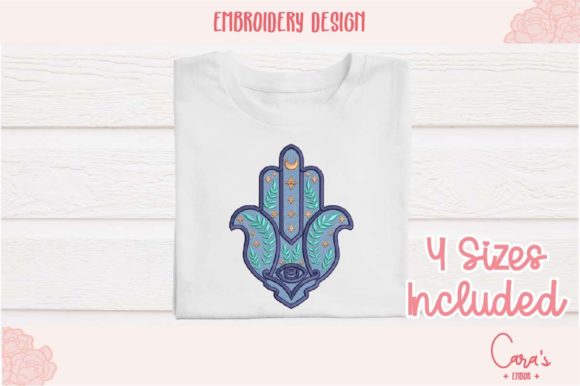
Hamsa Hand of Fatima: A Craft Fair Best-Seller Review
As I prep my booth for the upcoming weekend market, I am constantly evaluating which design assets will stop customers in their tracks. Today, I am taking a close look at the Hamsa Hand of Fatima. This isn't just another pretty pattern; it is a piece steeped in history and symbolism that fits perfectly into the Religion and spiritual wellness niches. For any Etsy seller or boutique maker looking to elevate their handmade product line, this machine embroidery design offers a unique blend of protection, beauty, and versatility. My goal is to determine exactly where this design shines on a crowded craft fair table and how it translates from a digital embroidery file to a tangible, sellable item.
First Impressions and Visual Appeal
The moment I loaded the preview of the Hamsa Hand of Fatima, the first impression was one of elegant intricacy. It does not scream "cute" in a childish way, nor does it feel overly rustic or farmhouse-style. Instead, it projects a sense of premium quality and decorative sophistication. The lines appear fluid, suggesting a design that balances traditional motifs with a modern execution. For a craft fair environment, where buyers scan tables quickly, this design has the potential to stand out because it carries meaning. Customers today are drawn to items that tell a story or offer spiritual grounding, and the Hamsa is universally recognized as a symbol of protection and good fortune. This inherent narrative makes it a powerful tool for buyer engagement.
Ideal Products for Maximum Impact
When deciding where to place the Hamsa Hand of Fatima for my display, I considered several craft fair product categories. The description notes it is a "great embellishment for any fabric," which opens up a world of possibilities. However, not all fabrics treat Embroidery equally well.
- Tote Bags and Market Bags: This is likely the strongest contender. A canvas tote provides a flat, stable surface that allows the details of the Hamsa to shine. As a tote bag design, it appeals to shoppers looking for meaningful everyday carryalls.
- Aprons and Tea Towels: Kitchen linens are perennial favorites. An apron embroidery featuring the Hamsa adds a touch of sanctity to cooking, while tea towel embroidery makes for an affordable, giftable item. The key here is ensuring the fabric texture does not overwhelm the stitches.
- Patches and Pouches: Creating an embroidered patch allows customers to add the symbol to existing jackets or bags. Small fabric pouches also work well, provided the design is scaled correctly to fit the limited real estate without losing clarity.
- Pillow Covers: Home decor items like pillow covers benefit from the focal nature of the Hamsa, turning a simple throw pillow into a statement piece.
While caps are popular, the curved surface can be tricky for detailed symbolic work unless the design is specifically digitized for hats. For this review, I would prioritize flat goods like totes and towels to ensure the highest quality finished product.
Production Practicality and Batch Selling
For a small shop owner, time is money. The viability of the Hamsa Hand of Fatima depends heavily on its production efficiency. Is it easy to understand at a glance? Yes. Does it work as a small accent or a large focal design? It appears versatile enough to serve as both, but it truly excels as a medium-to-large focal point where the intricate details of the hand and eye can be appreciated. When creating printable mockup images for online listings, this design photographs beautifully because of its distinct silhouette against various background colors.
Regarding batch production, the design seems repeatable. If the stitch density is managed well, you can hoop multiple items or run a continuous sequence on a multi-needle machine. This scalability is crucial for stocking a booth before a big event. However, the description mentions "spectacular and meaningful," which implies a level of detail that requires attention. You must verify if the design includes tiny lettering or extremely fine lines that might break during high-speed commercial runs.
Critical Considerations for Execution
Before committing to a full production run, there are several "careful-use" notes every commercial embroidery professional should consider. The success of the Hamsa Hand of Fatima relies on respecting the limitations of the medium:
- Fabric Texture: Avoid using this on highly textured towels like waffle weave unless you use a heavy topping. The loops of the fabric can swallow the finer details of the Hamsa, making it look muddy.
- Dark Fabrics: If stitching on black or navy, ensure the thread colors have enough contrast. You may need an underlay stitch strategy that prevents the dark fabric from peeking through the lighter threads of the design.
- Dense Stitch Areas: Check the palm and eye areas of the Hamsa. If these sections are too dense, they can cause puckering, especially on lighter weight fabrics like tea towels. Testing on scrap fabric is non-negotiable.
- Small Sizes: If you plan to shrink this for a pocket logo or a small pouch, ensure the design does not lose clarity. Tiny details often merge together when reduced below a certain inch threshold.
Enhancing Brand Value and Customer Connection
Incorporating the Hamsa Hand of Fatima into your lineup does more than just add a product; it enhances your brand consistency if your shop focuses on mindful living, spiritual gifts, or bohemian aesthetics. It signals to the customer that you care about quality and meaning. A well-executed Hamsa on a high-quality tote bag elevates the perceived value of the item, allowing you to command a higher price point than a generic design.
Furthermore, this design strengthens your booth display strength. When arranged alongside neutral linens or earth-toned garments, the Hamsa acts as a visual anchor. It invites questions, and those questions lead to sales. Customers love to know the story behind what they are buying, and explaining the history of the Hand of Fatima creates a personal connection that digital stores often lack.
Final Designer Notes and Checklist
To ensure the Hamsa Hand of Fatima becomes a best-seller rather than a regret, follow this practical checklist before your next market:
- Test First: Always stitch the design on a scrap piece of the exact fabric you intend to sell. What looks good on cotton might pucker on linen.
- Check Contrast: Lay your thread spools next to the fabric. Does the design pop, or does it blend in too much?
- Review Spacing: Ensure there is adequate space between elements so the design breathes.
- Confirm Hoop Size: The product description does not specify dimensions. You must check the hoop size requirements in the file details to ensure it fits your intended products, especially smaller pouches or caps.
- Select Stabilizer: Choose the right stabilizer for the fabric weight. Cut-away is usually safer for wearables to prevent distortion over time, while tear-away works for sturdy home decor.
- Create Mockups: Make at least one real physical mockup to photograph for your Etsy listings and social media. Real photos sell better than digital renders.
- Verify Licensing: Most importantly, confirm the commercial licensing terms. Ensure you are allowed to sell finished products made with this embroidery file.
The Hamsa Hand of Fatima is a spectacular choice for the thoughtful maker. With careful attention to fabric choice, stitch density, and presentation, it can transform simple textiles into cherished, meaningful keepsakes that fly off your craft fair table.