Smile Crab: A Craft Fair Seller's Review
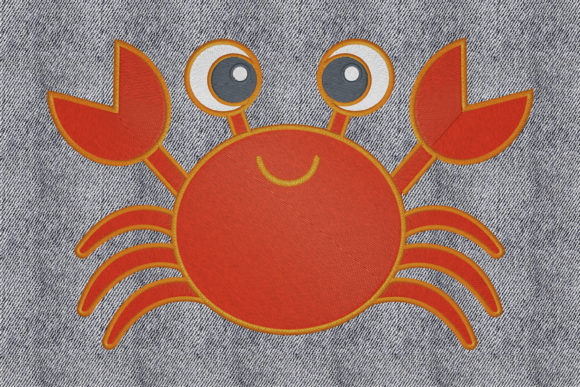
As an embroidery designer who has spent countless weekends setting up booth displays at local craft fairs and handmade markets, I know that the difference between a design that sits on the table and one that flies off the shelf often comes down to immediate visual impact. When I first loaded the Smile Crab machine embroidery design onto my screen, my initial reaction was one of pure joy. This isn't just another generic sea creature; it is a character. The title alone suggests a mood that is essential for today's market: happiness. In a world where customers are looking for items that spark delight, a smiling crab offers an instant emotional connection.
Evaluating this Fish category design for potential craft fair product lines, I immediately noticed its versatility. The description highlights its suitability for pillows, t-shirts, and sweatshirts, but my mind went straight to the high-traffic items in my booth. The aesthetic feels undeniably cute and modern, leaning slightly into the popular coastal farmhouse trend without being overly rustic. It strikes a balance between playful and decorative, making it a strong candidate for a wide range of demographics, from young families to beach-loving retirees.
Visual Impact and Booth Display Strategy
The first thing any customer notices at a craft fair is the silhouette and color contrast of a design from three feet away. Smile Crab excels here because of its clear, bold shapes. When planning my table display, I would prioritize placing this design on light-colored canvases to maximize the pop of the thread colors. Imagine a row of natural canvas tote bag design samples, each featuring this happy crab centered prominently. The simplicity of the smile ensures that the design is understandable at a glance, which is crucial when shoppers are walking past quickly.
For a handmade product line, consistency is key to brand strength. Using Smile Crab across different items creates a cohesive collection. I can visualize a setup featuring embroidered aprons hanging vertically, with the crab positioned on the chest pocket area. Next to them, folded tea towels with the design near the hem create an inviting tea towel embroidery option for kitchenware shoppers. The design's friendly nature makes it an excellent conversation starter, encouraging buyers to stop and ask about the stitching process, thereby increasing buyer engagement.
Product Versatility and Production Practicality
One of the most critical aspects of selecting a design for commercial use is how well it translates across various fabrics and surfaces. Smile Crab appears robust enough to handle the texture of terry cloth towels, provided the stitch density is managed correctly. However, as a professional, I must advise caution with textured fabrics. If the crab includes fine details, they might get lost in the loops of a thick towel. Testing on scrap fabric is non-negotiable here to ensure the finished product looks premium rather than muddy.
For those running an Etsy seller shop or a small boutique, this design is a goldmine for creating a unified product line. It works beautifully as a focal point on a pillow cover, adding a splash of personality to home decor. Furthermore, scaling the design down for an embroidered patch could be a lucrative add-on sale. Patches are low-cost to produce and high-margin, perfect for impulse buys at the checkout counter. Just ensure you verify the minimum viable size; if the smile becomes too small, the charm of the design diminishes.
When considering headwear, applying this to a cap requires attention to the curved surface. The design needs to be digitized with appropriate pull compensation to prevent distortion on the front panel of a baseball cap. If the digital embroidery file supports multiple hoop sizes, using a smaller hoop for hats and a larger one for tote bags allows for maximum flexibility in production.
Technical Considerations for the Embroidery Business Owner
While the aesthetic appeal of Smile Crab is high, the technical execution determines whether it is a profitable small shop product. Before committing to batch production, there are several practical steps every embroidery business owner must take. First, inspect the thread colors suggested by the file. Does the palette work on dark fabric? Often, cheerful designs like this rely on bright threads that may require a white underlay or even a fabric patch backing when stitched onto navy or black garments to maintain vibrancy.
Stabilizer choice is another make-or-break factor. For stretchy materials like t-shirts and sweatshirts, a cut-away stabilizer is usually best to prevent the design from puckering over time. For woven items like aprons and tote bags, a tear-away might suffice, but always test first. The description mentions "high-quality," but quality is subjective until you see the stitch-out. Check for dense stitch areas that could cause needle breakage or fabric stiffness, especially if you are selling wearable items where comfort is paramount.
Additionally, since this is intended for commercial embroidery, confirming the licensing terms is vital. The product description states it "can be used," but prudent designers will double-check if this covers unlimited physical sales or if there are restrictions on the number of finished goods. Never assume; always read the specific license included with your design assets.
Maximizing Sales Through Mockups and Photography
In the digital age, your booth is only half the battle; your online presence matters just as much. Smile Crab photographs exceptionally well due to its defined edges and cheerful expression. Creating a printable mockup or staging real photos of the design on various backgrounds can significantly boost click-through rates on Etsy or social media. Show the crab on a beach towel, a baby onesie, and a kitchen mitt to demonstrate versatility to potential customers who might not immediately think of those applications.
Remember that lighting plays a huge role in how the fabric texture and thread sheen are perceived. Satin stitches will catch the light differently than fill stitches, giving the crab a dynamic look in person that photos must strive to capture. When listing this as a handmade product, emphasize the tactile quality of the embroidery in your descriptions. Words like "textured," "durable," and "vibrant" help convey the value of a machine-embroidered item over a printed graphic.
Ultimately, Smile Crab represents the kind of design that anchors a successful craft fair collection. It is approachable, versatile, and emotionally resonant. By paying attention to the technical details—such as hoop size compatibility, stabilizer selection, and fabric contrast—you can transform this simple embroidery file into a standout star of your inventory. Whether you are a seasoned pro or a creative entrepreneur just starting out, this design offers the perfect blend of fun and functionality to drive sales and build a loyal customer base.