Happy Clown: A Designer's Review for Real Projects
When I first pulled up the Happy Clown file on my screen, my immediate reaction was one of nostalgic warmth. In the world of Circus themed Embroidery, it is easy to fall into the trap of overly complex, cartoonish designs that look great as a JPEG but turn into a thread-breaking nightmare on the machine. However, this machine embroidery design strikes a balance between playful character and technical feasibility. As someone who spends hours tweaking design assets for clients, I appreciate when a file respects the limitations of the needle while still delivering a strong visual punch. This review breaks down how Happy Clown performs in real-world scenarios, from boutique apparel to handmade gifts.
First Impressions and Visual Personality
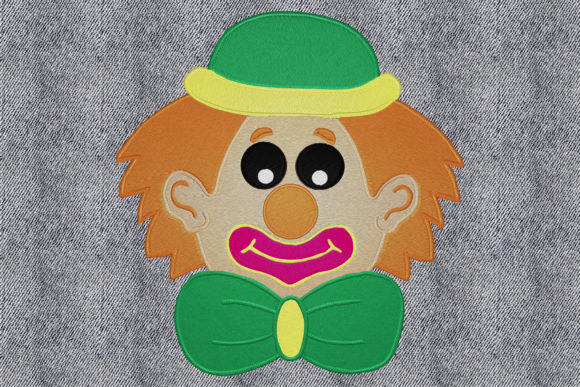
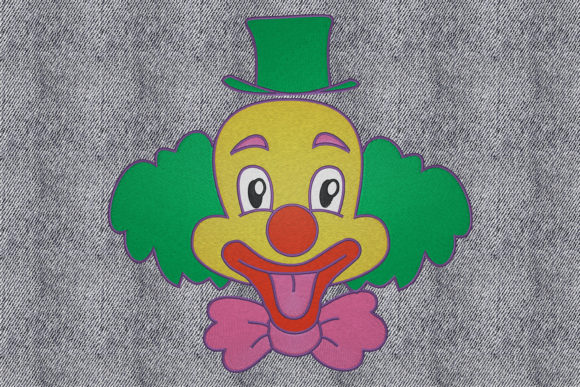
The mood of Happy Clown is undeniably cheerful. It avoids the uncanny valley that some clown illustrations can accidentally trigger, opting instead for a friendly, approachable aesthetic. The layout feels compact yet detailed enough to hold interest. When evaluating the shape and flow, I noticed the lines are clean, suggesting a well-digitized path that minimizes unnecessary jumps. For a designer, this means less time trimming threads and more time focusing on the finished product. The visual personality leans towards whimsical, making it a natural fit for projects that require a touch of humor or childhood wonder without feeling childish.
In terms of detail level, the design seems to rely on a mix of techniques. While I cannot confirm the exact stitch count without running the file, the preview suggests a thoughtful combination of satin stitch for outlines and definition, likely paired with fill stitch areas to create solid blocks of color. There may also be elements of running stitch for finer details or texture. This variety is crucial because it adds depth to the embroidery project, preventing it from looking flat. If this were an applique design, the layering would add even more dimension, but even as a standard stitch-out, the potential for texture is high.
Real-World Application Scenarios
To truly test the viability of Happy Clown, I imagined several specific use cases that small business owners and hobbyists face daily. One scenario that stood out was creating a line of custom tote bag design options for a local library's summer reading program. The cheerful nature of the clown fits perfectly with literacy and fun. On a canvas tote, the stitch density would need to be managed carefully to prevent puckering, but the bold shapes of the clown should pop nicely against a neutral fabric background.
Another strong contender for this file is sweatshirt embroidery. Imagine a cozy, oversized crewneck featuring Happy Clown on the left chest or centered on the back. The soft texture of fleece or French terry provides a great backdrop, though one must be mindful of the nap. For baby embroidery, such as a onesie or a nursery bib, the design offers a gentle introduction to characters. Parents often look for unique, personalized gift ideas that aren't mass-produced, and a high-quality embroidered clown hits that mark for a baby shower or first birthday.
For the Etsy seller or craft fair vendor, versatility is key. This design could easily be adapted into an embroidered patch. By using a merrow edge or a tight satin border, you could create iron-on or sew-on patches that customers love to customize their jackets and backpacks with. Furthermore, for those selling digital embroidery file bundles, including a circus-themed character like this adds variety to a catalog, appealing to buyers looking for seasonal or niche themes.
Technical Considerations and Fabric Challenges
While Happy Clown shows promise, practical application requires caution. Not every fabric plays nice with every design. If you are working with stretchy fabrics like jersey knits for custom apparel, the stability of the design becomes paramount. You must use the correct stabilizer—likely a cut-away for garments that will be washed frequently—to ensure the clown doesn't distort over time. On textured fabrics like towels or waffle weave, fine details might get lost. The thread colors need to have enough contrast against the fabric texture to remain visible.
Small hoop sizes present another challenge. If your machine only has a 4x4 inch hoop, you need to verify that the entire design fits without cropping essential elements of the clown's face or hat. Additionally, curved surfaces like caps require specific digitizing adjustments. If Happy Clown was not specifically optimized for hats, stitching it on a structured cap could lead to registration issues where the columns of stitches do not meet perfectly. Always check the recommended hoop size before committing to a difficult garment.
Dense stitch areas are another point of inspection. If the clown's outfit or accessories have heavy fill coverage, this can make the fabric stiff. For items like pillow covers or tea towels that need to remain soft and pliable, you might need to adjust the density settings in your editing software if the license permits, or choose a lighter weight thread. Dark fabrics also require attention; ensure the design includes an underlay or that your thread choice is vibrant enough to stand out against black or navy backgrounds.
Impact on Brand and Customer Perception
The quality of your embroidery directly influences customer trust and brand consistency. Using a well-executed design like Happy Clown elevates the perceived value of your handmade product. When a customer sees crisp edges, consistent tension, and vibrant colors, they associate that quality with your brand. Conversely, a poorly stitched or ill-suited design can undermine professionalism. This particular design, with its clear shapes and friendly vibe, supports a brand image that is approachable, creative, and attentive to detail.
For commercial embroidery projects, recognition is vital. A distinctive character can become a signature element of a collection. Whether used for holiday gifts, boutique branding, or just adding flair to a plain garment, the visual appeal of Happy Clown encourages buyer engagement. It invites people to look closer, smile, and potentially make a purchase. In the context of printable mockup creation for online listings, this design photographs well, which is essential for driving clicks and conversions in a crowded digital marketplace.
Final Designer Notes and Best Practices
Before launching into production with Happy Clown, there are several critical steps to take. First, always test the design on scrap fabric that matches your final material. This allows you to check thread color contrast and identify any potential tension issues. Review the stitch density closely; if it looks too heavy, consider lightening it to improve drape. Confirm the hoop size requirements to avoid last-minute scrambling.
Inspect small details meticulously. Are the eyes symmetrical? Is the smile clear? Test the design in black and white mockups to ensure the value contrast holds up even without color. Compare how it looks on both light and dark fabric backgrounds to gauge versatility. Most importantly, verify the licensing terms. Since the description mentions it comes with multiple formats and can be used for various items, ensure you understand the boundaries for selling finished product items versus reselling the digital embroidery file itself. Clear licensing protects your craft business and ensures you can confidently sell your small shop product without legal worries.
In conclusion, Happy Clown appears to be a versatile and charming addition to any embroiderer's library. With careful attention to fabric choice, stabilization, and testing, it has the potential to create delightful holiday embroidery pieces, standout custom apparel, and memorable gifts. It bridges the gap between fun aesthetics and technical reliability, making it a solid choice for designers who value both creativity and craftsmanship.