Valentine Pencil: A Craft Fair Designer's Review
As I prepare my booth for the upcoming weekend craft fair, my table is currently a chaotic but inspiring landscape of半成品 products. I have stacks of canvas tote bags, linen aprons, textured tea towels, and rows of blank caps waiting for that final touch to transform them from generic blanks into desirable handmade products. In this sea of potential, I am evaluating a specific machine embroidery design titled Valentine Pencil. For any Etsy seller or boutique maker, the difference between a design that sits on the shelf and one that flies off the table often comes down to immediate visual impact and production practicality. Here is my honest assessment of how this design performs in a real-world retail environment.
First Impressions and Market Appeal
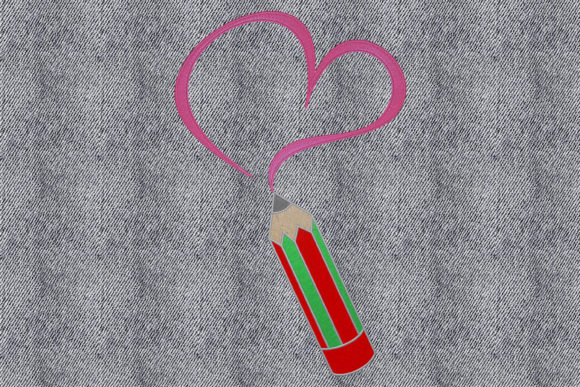
The first thing that strikes me about the Valentine Pencil is its inherent charm. It strikes a perfect balance between cute and functional, making it an ideal candidate for the Valentine S Day season without being overly saccharine. The concept of a pencil suggests creativity, learning, and love notes, which resonates deeply with the demographic that frequents handmade markets. It feels modern yet slightly rustic, fitting perfectly into the current trend of "farmhouse chic" or minimalist decorative styles.
When I hold up a sample against a neutral background, the design reads clearly from a distance. This is crucial for a busy craft fair where customers are walking past dozens of tables. A design that requires squinting to understand will be skipped. Valentine Pencil, however, has a bold silhouette that grabs attention immediately. It works exceptionally well as a focal point on smaller items like patches or pouches, but it also scales beautifully as a large statement piece on a tote bag or apron.
Product Versatility and Display Strategy
In planning my display, I am strategically placing Valentine Pencil across various product types to maximize its reach. Here is how I see it performing on specific items:
- Tote Bags and Market Bags: This is likely the strongest seller. A large version of the design centered on a natural canvas tote creates an instant tote bag design that appeals to teachers, students, and anyone who loves stationery. It photographs beautifully for online listings, providing a clear subject for a printable mockup or social media post.
- Aprons and Tea Towels: For the kitchen section of my booth, this design adds a whimsical touch. As apron embroidery, it serves as a fun conversation starter. On tea towels, the tea towel embroidery needs to be crisp; the linear nature of a pencil translates well to the weave of linen or cotton blends.
- Caps and Patches: When applied to a curved cap surface, the design must be digitized correctly to avoid distortion. If the embroidery file handles curvature well, this becomes a top-tier craft fair product. Similarly, as an embroidered patch, it offers a low-cost entry point for customers who want a taste of handmade quality without buying a large item.
- Pillow Covers and Pouches: These make excellent giftable handmade items. The design adds a layer of premium feel to simple fabric pouches, increasing the perceived value of the finished product.
Production Realities and Technical Considerations
While the aesthetic appeal is high, a professional embroidery designer must look beyond the pretty picture to the mechanics of production. Before running a batch of fifty units, there are several critical factors to verify with the digital embroidery file.
First, we must consider stitch density. Designs featuring text or fine lines, like the lead tip of a pencil or small lettering often associated with Valentine themes, can suffer if the density is too high on thick fabrics or too low on thin materials. I always advise testing the design on scrap fabric identical to your final product. Check if the stitches sink into plush towels or if they pucker on lightweight synthetics.
Secondly, thread colors play a massive role in visibility. A pencil design usually relies on contrast—perhaps a yellow body with a pink eraser and black text. Ensure your thread chart provides enough contrast so the details do not blur together, especially when viewed from three feet away at a market booth. If you are using dark fabric, you may need to adjust the underlay or use a lighter backing to prevent the fabric color from showing through the stitch gaps.
Another vital check is the hoop size. Although the description mentions compatibility with pillows and sweatshirts, you must confirm the specific hoop requirements for your machine. Trying to force a large design into a small hoop can ruin the alignment. Furthermore, always review the spacing between elements. Tight spacing can lead to thread breaks or bird nests, slowing down your production line significantly.
Maximizing Value and Brand Consistency
Using Valentine Pencil consistently across your booth can strengthen your brand identity. If a customer sees the same high-quality design on a mug rug, a tote, and a patch, it creates a cohesive collection that encourages multiple purchases. This consistency signals professionalism and attention to detail, key traits for any small shop product line.
For those selling online, the visual appeal of this design translates well into design assets for marketing. High-resolution photos of the stitched texture can be used to create compelling printable mockup images for Etsy listings, helping digital sellers visualize the end result before committing to inventory.
Essential Pre-Production Checklist
Before you commit to selling items featuring this design, run through this quick checklist to ensure commercial viability:
- Test on Scrap: Always stitch out a sample on the exact fabric weight and texture you intend to sell.
- Check Contrast: Verify that thread colors pop against your chosen fabric backgrounds.
- Review Spacing: Ensure no elements are so close that they merge during stitching.
- Confirm Hoop Size: Match the design dimensions to your available hoops to avoid re-hooping errors.
- Inspect Density: Look for areas that might be too dense for textured towels or too sparse for smooth caps.
- Create a Mockup: Produce at least one finished sample to photograph and display as a tangible reference.
- Verify Licensing: Crucially, confirm the commercial licensing terms. The description states it "can be used," but always double-check if there are limits on the number of physical items you can produce for sale versus digital redistribution.
In conclusion, Valentine Pencil stands out as a versatile and marketable choice for the upcoming season. Its ability to adapt to various commercial embroidery applications while maintaining a charming, handmade aesthetic makes it a strong contender for any craft fair table. By paying attention to the technical details of stabilizer choice, fabric texture, and stitch quality, you can turn this simple embroidery file into a best-selling component of your Valentine S Day collection.