Winter Lilac: A Frosty Floral Review for Gift Makers
As an embroidery designer who spends countless hours hooped up, testing new patterns for my personalized gift shop, I approach every new machine embroidery design with a critical eye. It is not just about how it looks on the screen; it is about how it performs on real fabric, how it survives a wash cycle, and most importantly, how it makes the recipient feel. Recently, I had the chance to test the Winter Lilac design, and I am eager to share my findings with fellow Etsy sellers, crafters, and small business owners looking to elevate their winter collections.
The first impression of Winter Lilac is nothing short of magical. True to its name, the design captures a frosty, ethereal mood that feels perfectly suited for the holiday season without being overly cliché. Unlike standard snowflakes or rigid geometric winter motifs, this floral arrangement brings a softness and organic charm to cold-weather projects. The detail level is impressive, offering a balance between intricate petals and open spaces that allow the fabric texture to breathe. For anyone creating a handmade product intended to convey warmth and elegance, this design hits the mark immediately. It feels romantic yet crisp, making it a versatile choice for a wide range of customers.
Perfect Applications for Seasonal Gifting
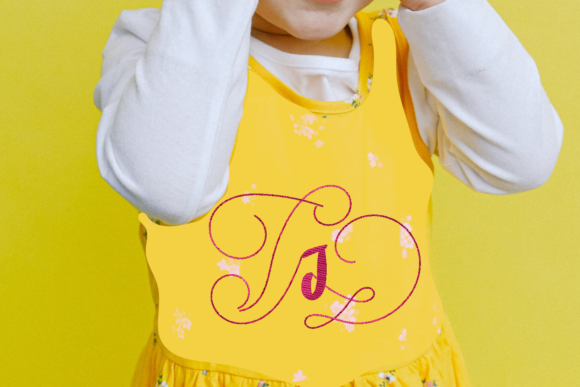
When planning inventory for the winter rush, versatility is key. I envision Winter Lilac becoming a staple in several product categories. For baby embroidery, this design is a dream. Imagine stitching it onto a soft, neutral-colored muslin swaddle or a nursery blanket. The frosty aesthetic pairs beautifully with cool blues, soft lavenders, and crisp whites, creating a gender-neutral option that feels sophisticated rather than juvenile. It transforms a simple blanket embroidery project into a cherished heirloom.
For the bridal market, this design serves as an exquisite wedding gift element. I tested it on a linen table runner and a set of cocktail napkins, and the result was stunning. Brides often look for something unique for their "something blue" or for gifts to their bridal party, and the lilac motif offers a fresh take on winter weddings. Furthermore, for home decor enthusiasts, placing this design on a velvet pillow cover adds a touch of luxury. The way the light catches the different stitch angles on velvet enhances the "frosty" description provided in the product details, making the finished piece sparkle subtly.
I also see immense potential for practical items like aprons and tote bags. An embroidered towel featuring this flower makes a thoughtful hostess gift, while a canvas tote with the design becomes a stylish accessory for carrying holiday groceries or gifts. The adaptability of Winter Lilac allows small shop products to stand out in a crowded marketplace, offering customers a sense of exclusivity and care.
Navigating Fabric Choices and Technical Challenges
While the design is beautiful, responsible production requires understanding where to use it carefully. As a professional, I must advise caution when working with specific materials. The delicate details of the petals can get lost if stitched on highly textured fabrics like thick waffle-weave towels or rough burlap. For these materials, you may need to adjust your stitch density or simplify the underlay to ensure the design remains crisp.
Stretchy fabrics, common in baby clothes and t-shirts, require extra attention. Without the proper stabilizer, the intricate lines of the lilac could pucker or distort after washing. I strongly recommend using a cut-away stabilizer for stretchy knits to maintain the integrity of the custom embroidery. Additionally, curved surfaces like the crown of a hat or the side of a mug cozy can be tricky. The design flows well, but hooping must be precise to prevent shifting.
Color contrast is another vital consideration. While the design shines on dark fabrics, creating a striking "frost on night sky" effect, you must verify your thread colors against the material. A pale lavender thread might disappear on a heather grey sweatshirt. Always create a physical mockup before committing to a production run. If you are selling these as personalized gift options, offer your customers a choice of thread palettes to ensure satisfaction.
Elevating Perceived Value and Customer Trust
In the world of online selling, particularly for an Etsy seller, product photography is everything. Winter Lilac photographs exceptionally well. The dimensional quality of the stitches creates natural shadows that add depth to images, even without heavy editing. When a customer sees a high-quality photo of this design on a premium item, the perceived value of the finished product skyrockets. It signals that time, skill, and high-quality materials were used, which builds immediate trust.
This emotional connection is what drives sales. Customers are not just buying a towel or a shirt; they are buying a feeling of warmth and the assurance of a handmade product made with love. The "magical" quality of the design invites buyers to imagine the joy of giving or receiving such a gift. For those selling digital embroidery file versions, providing a high-resolution printable mockup showing the design on various seasonal items can significantly boost buyer engagement and conversion rates.
Essential Production Notes for Designers
Before adding Winter Lilac to your catalog or using it for client orders, there are several practical steps you must take to ensure professional results:
- Test on Scrap Fabric: Never skip this step. Stitch the design on the exact fabric weight and type you intend to sell to check for puckering or registration issues.
- Check Thread Contrast: Ensure your chosen thread palette provides enough contrast against the background fabric so the detailed petals remain visible.
- Confirm Hoop Size: Verify that the design fits within your available hoop dimensions. The product description mentions jackets and dresses, which may require large hoops or re-hooping techniques.
- Review Stitch Density: If stitching on delicate fabrics like silk or lightweight cotton, consider reducing the density slightly to prevent fabric distortion.
- Use Proper Stabilizer: Match your stabilizer to the fabric. Water-soluble tops can help protect plush fabrics from stitch sinkage, while cut-aways provide longevity for wearables.
- Compare Light and Dark Mockups: Create samples on both white and navy fabrics to see how the "frosty" effect translates across different bases.
- Inspect Small Details: After stitching, closely examine the tips of the petals and any fine connecting lines to ensure they are secure and will withstand washing.
- Verify Licensing: Before selling finished goods or the embroidery file itself, confirm the commercial licensing terms. Ensure you have the right to use the design for commercial embroidery purposes.
The product description notes that this design is ready for winter holidays and suitable for jackets, shirts, and home decor. However, since specific technical details like exact stitch count, file formats, or specific license durations were not explicitly detailed in the brief, it is crucial to check the download package or contact the creator for these specifics before launching your marketing campaigns.
In conclusion, Winter Lilac is a standout addition to any winter collection. Its ability to bridge the gap between seasonal festivity and timeless floral beauty makes it a powerful tool for embroidery designers and gift shop owners. By respecting the technical requirements and leveraging its aesthetic appeal, you can create personalized items that resonate deeply with customers, turning a simple stitch into a memorable keepsake.